
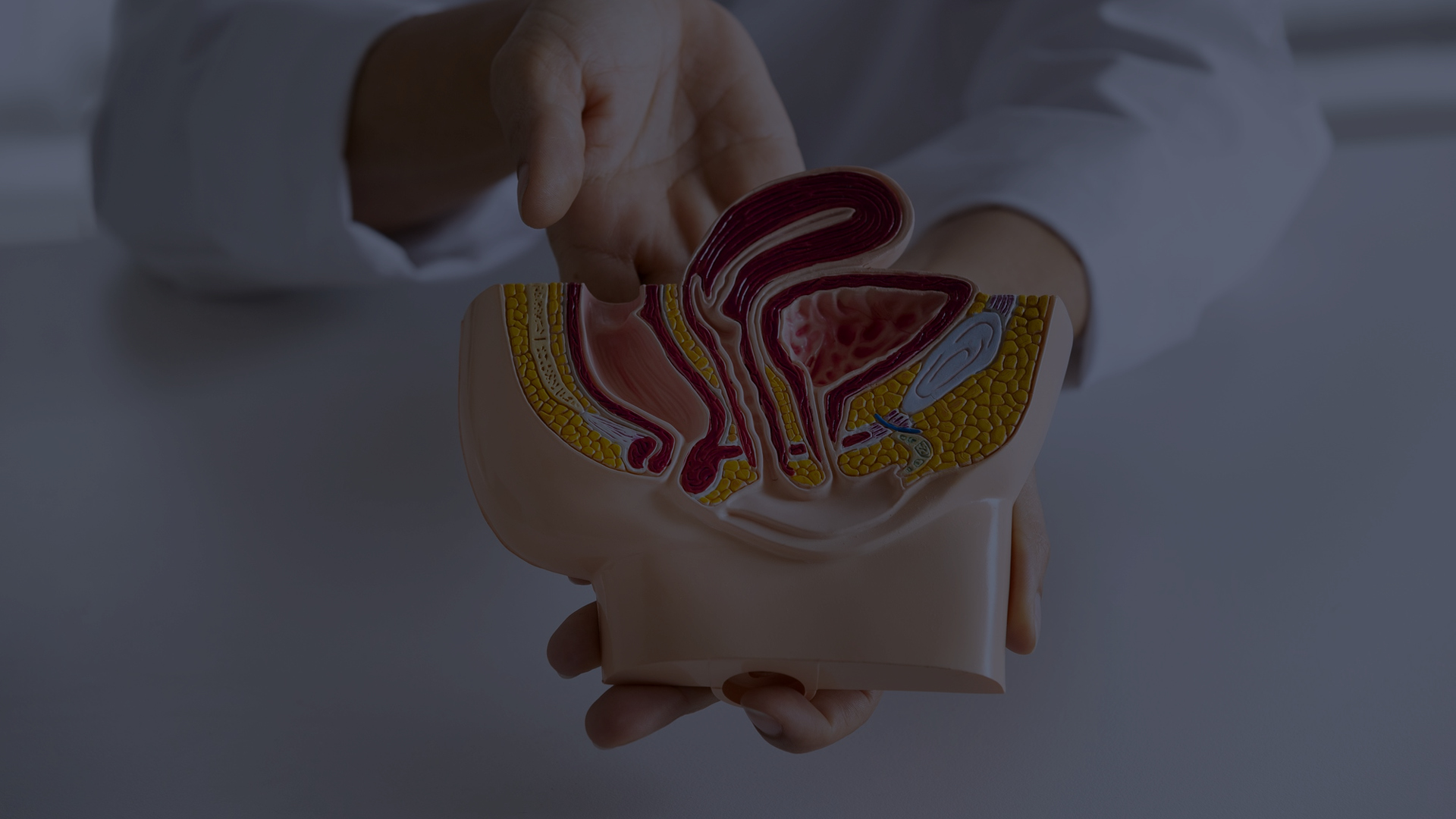
Understanding the Prostate and BPH
The prostate is a small gland located below the bladder in men. It surrounds the urethra - the tube that carries urine out of the body. As men get older, the prostate can enlarge, a condition called benign prostatic hyperplasia (BPH).
BPH is not cancer, but it can cause bothersome urinary symptoms such as:
- Difficulty starting urination
- Weak urine stream or dribbling
- Frequent urination, especially at night
- Feeling that the bladder doesn't empty completely
- Urgency or occasional leakage
When medication no longer provides enough relief, your urologist may recommend a surgical procedure to restore normal urine flow. Two minimally invasive options are TUIP and TULEP.
Option 1: TUIP
(Transurethral Incision of the Prostate)
What it is:
TUIP is a procedure used mainly for men with smaller prostates. Instead of removing prostate tissue, the urologist makes one or two small cuts in the prostate and bladder neck to relieve pressure on the urethra.
How it's done:
- Performed under spinal or general anaesthesia.
- A special instrument is inserted through the urethra — no external cuts are needed.
- The small incisions widen the urinary channel, improving urine flow.
- The procedure usually takes 15–30 minutes.
Recovery:
- A small catheter is placed in the bladder for 1–2 days.
- Most men go home the same or next day.
- Temporary burning or increased frequency when urinating can occur for a short period.
Benefits:
- Minimal bleeding
- Short hospital stay
- Quick recovery
- Low risk of sexual side effects
Option 2: TULEP
(Transurethral Laser Enucleation of the Prostate)
What it is:
TULEP is a modern, laser-based procedure designed to remove the enlarged prostate tissue causing obstruction. It's suitable for larger prostates and offers a minimally invasive alternative to traditional open surgery.
How it's done:
- Performed under anaesthesia using a laser through the urethra.
- The laser precisely separates and removes the obstructing prostate tissue.
- The tissue can be sent for pathology testing to confirm benign disease.
Recovery:
- A catheter remains for about a day.
- Hospital stay is usually overnight or even same-day discharge.
- Most men can return to normal activities within a week.
Benefits:
- Excellent long-term relief of symptoms
- Less bleeding than traditional surgery
- Quicker recovery and shorter catheter time
- Safe even for men on blood-thinning medication
After the Procedure
- You may notice mild burning or frequency for a short period.
- Blood in the urine is common for a few days but usually settles quickly.
- Drink plenty of water to help flush the bladder.
- Avoid heavy lifting, cycling, or sexual activity for about 2 weeks.
When to Contact Your Urologist
Call your doctor if you experience:
- Persistent fever or chills
- Heavy bleeding or blood clots in urine
- Difficulty urinating after catheter removal
In Summary
Both TUIP and TULEP are effective, minimally invasive options for treating urinary obstruction caused by benign prostate enlargement.
- TUIP is ideal for smaller prostates and focuses on relieving pressure.
- TULEP is better suited for larger prostates and removes the obstructing tissue completely.
Your urologist will help you decide which procedure best suits your prostate size, symptoms, and overall health.